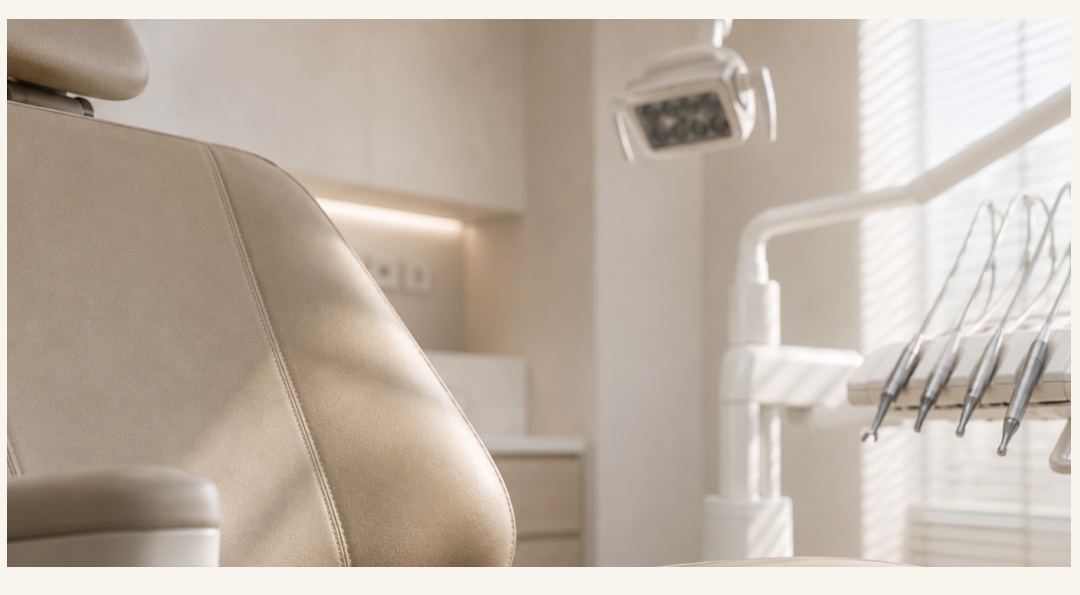
Good materials perform. Great materials fit their environment.
Healthcare facilities place a distinctive combination of demands on seating and surface materials. Frequent contact, repeated cleaning, chemical exposure and long periods of use must be considered together.
Start with the environment
Material selection begins with how a surface will be used: who touches it, how often it is cleaned, which agents are used, and how long appearance and tactile quality need to remain consistent.
Cleaning changes the performance question
A surface can look suitable in a sample but behave differently after repeated exposure to alcohol, disinfectants or moisture. Evaluation should therefore include maintenance routines and realistic replacement cycles.
Comfort remains part of durability
For patients, guests and caregivers, touch and seating comfort are experienced directly. A durable specification should preserve softness and atmosphere as well as resist visible wear.
Evaluate the complete service life
The most appropriate material is not determined by initial cost alone. Maintenance time, appearance stability, replacement frequency and processing requirements all contribute to ownership value.
Make the requirement specific
Include the cleaning agent, concentration, dwell time and frequency in your brief. Confirm material compatibility and the applicable report for the selected specification.
Review catalog performance references