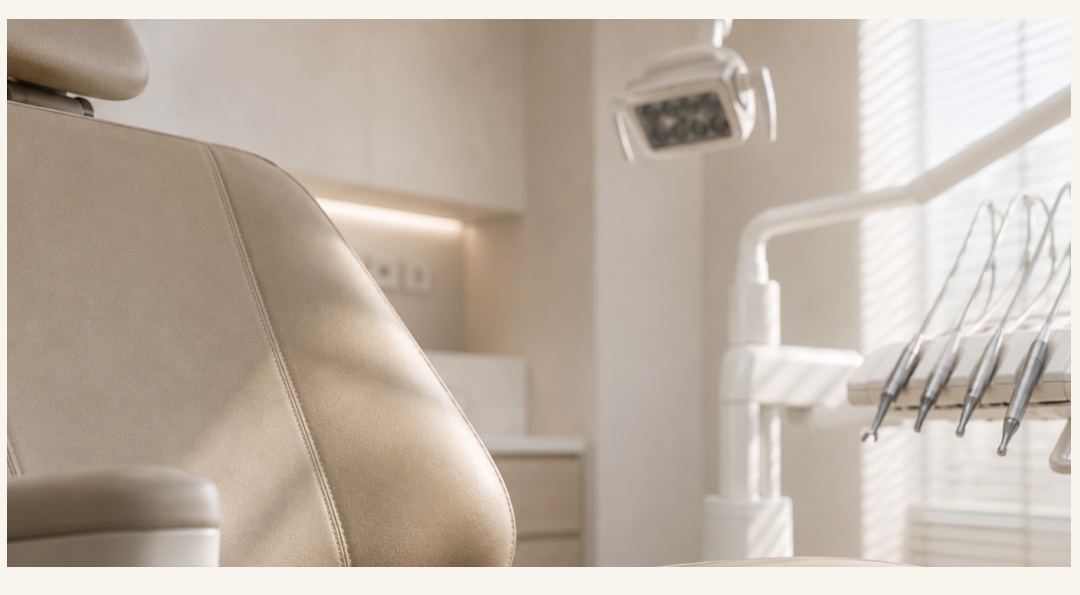
A surface may be cleaned hundreds of times during its service life. The routine, chemistry and frequency all influence how the material continues to look and feel.
Define the real cleaning routine
Material discussions become more useful when the actual routine is understood: who cleans the surface, how often it happens, which products are used and how quickly the area needs to return to service. A generic requirement for “easy cleaning” does not describe these conditions.
Frequency matters as much as intensity. A mild process repeated every day may shape service life differently from occasional deeper cleaning.
Consider chemistry and contact time
Alcohol, disinfectants, moisture and other agents interact with surfaces in different ways. Concentration, dwell time and wiping method should be reviewed together rather than reduced to a single resistance claim.
Where cleaning protocols are fixed, samples can be evaluated against the intended process before the final specification is made.
Protect touch and appearance
Durability should include the qualities people experience directly. Softness, grain, gloss and color consistency remain part of the design even when hygiene and maintenance are leading requirements.
The strongest material direction supports care without making the environment feel purely technical.
Test in a realistic construction
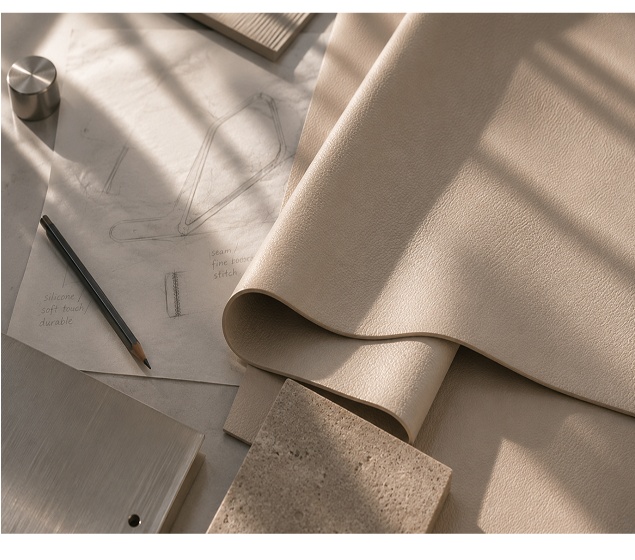
A flat sample is an important starting point, but upholstery tension, seams, foam, edges and adjacent materials can influence performance. Testing the intended construction provides a more complete view of how the surface will behave over time.
The goal is not to identify one universal material, but to align material, construction and routine with the complete use condition.